







A man walks alone in the desert. He has no memory—no past, no future. He stumbles upon an isolated settlement where a doctor, another exile, a German, makes a few phone calls. Eventually, the man’s brother arrives to take him back home.
That was the opening of Paris, Texas, a film I first saw some fifteen years ago, around 1984. It left a deep impression on me. I was struck by its melancholic story, by the quiet intensity of Nastassja Kinski—and most of all, by the haunting beginning. Travis, mute and lost, wanders through the Texas desert, accompanied only by Ry Cooder’s unforgettable slide guitar. There’s a moment when he follows a railway line, only for his brother Walt to point out that it doesn’t lead anywhere. A perfect metaphor.
Ironically, the film never actually takes us to Paris, Texas. After reconnecting with his brother, Travis travels to Los Angeles, where he reunites with his young son Hunter. Later, he tracks down his ex-wife, who is working in a kind of peep-show club in Houston. But that part I had completely forgotten.
So when, in 1999, I found myself in Houston on a business trip—with a planned visit to Dallas as well—I figured: why not go to Paris too? It felt poetic. A personal pilgrimage. A six-hour detour, which, by Texas standards, is practically next door. Had I remembered that the film took place in Houston, not Paris, I might not have made the effort. But then again, maybe I would have.
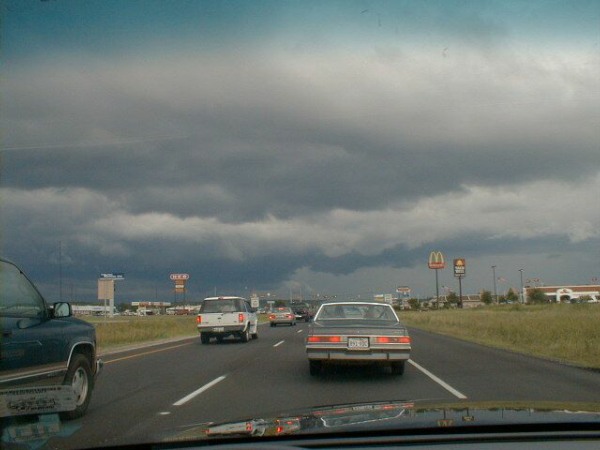
On Sunday morning, June 21st, 1999, I left Houston at 7:30 AM in a rented blue Dodge Grand Marquis—a large, comfortable American car. The highways were already busy, just like in the movie. Along the route, the most interesting stop was Nacogdoches, which claims to be the oldest town in Texas, founded in 1830. I also passed through a place called Moscow—so I can now say I once drove from Moscow to Paris in just four hours.
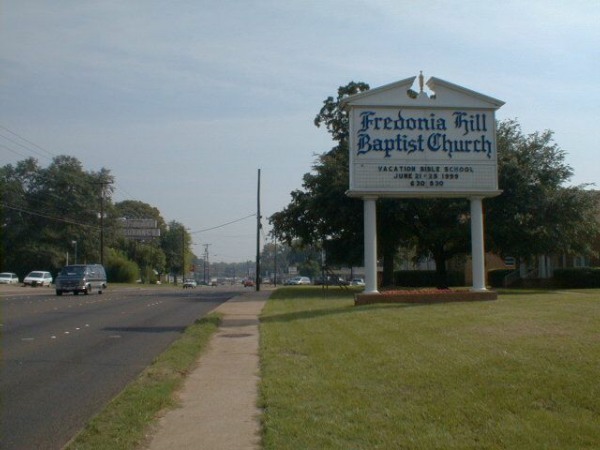
East Texas is deeply conservative. Baptist churches outnumber Walmarts, and most of them are impressively new, spacious, and architecturally ambitious. Even so, many shops and restaurants are open on Sunday mornings. I’d been advised to strictly observe speed limits and, if stopped by a state trooper, to keep my hands visible and end every sentence with “Sir.” Fortunately, the roads were clear, and no patrol car managed to catch up with me.
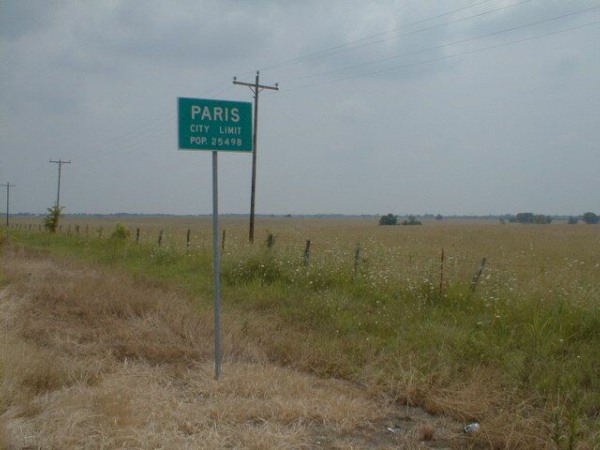
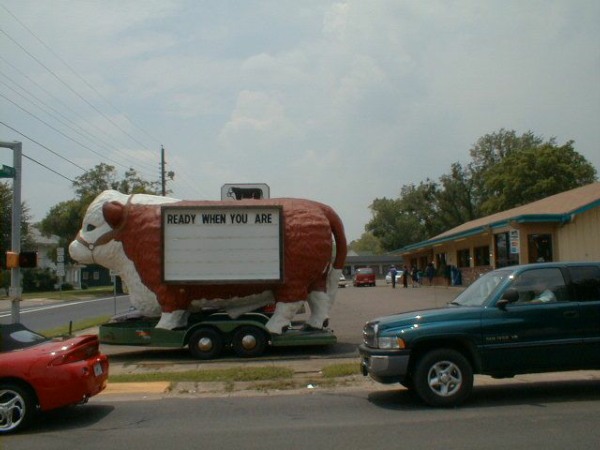
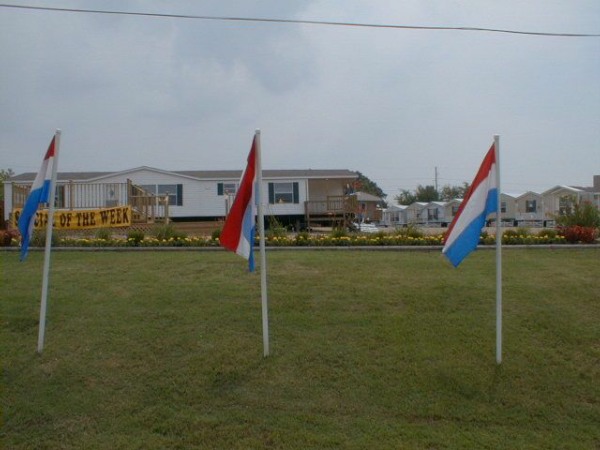
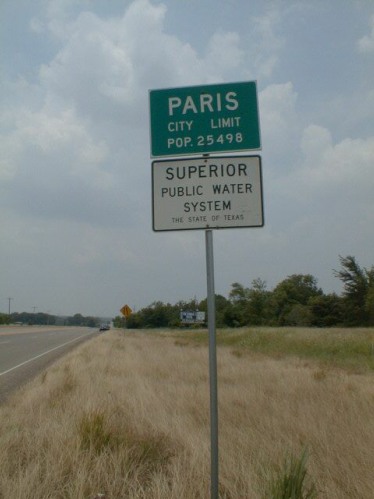
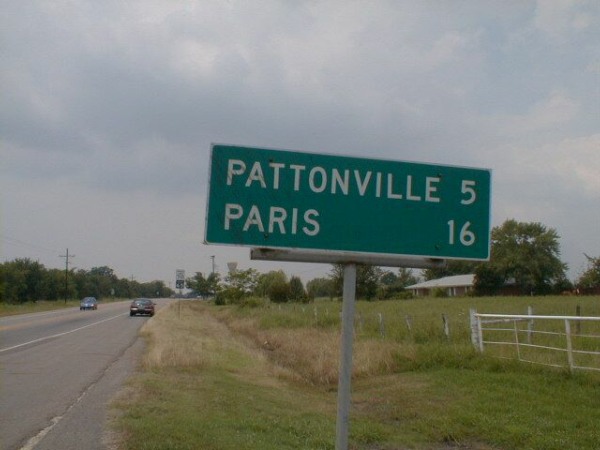
I reached the outskirts of Paris at 1:30 PM. The landscape was as quiet and desolate as the film had suggested. The town itself, population 25,000, felt abandoned—Travis could have wandered through without meeting a soul. I drove around slowly, the heat too intense to walk, snapping a few photos whenever I dared to leave the air-conditioned car for a moment.
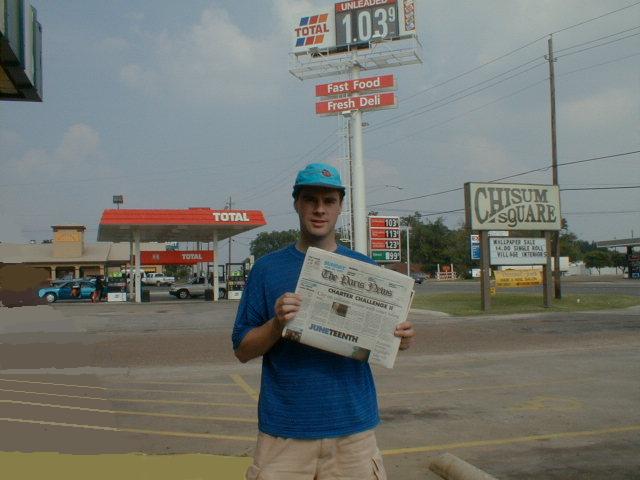
Later in the afternoon, life returned somewhat—especially on the edges of town, where stores had opened. By 6 PM, I felt I’d taken enough pictures. There were no postcards to be found—unsurprising, in a town that few tourists ever visit. Before leaving, I bought a copy of The Paris News as a souvenir. The front page advertised the upcoming Fourth of July parade, which looked promising. But I knew I would never return.
Just like Travis and Jane, who were never meant to be together again, I left Paris behind—its silence still echoing in my memory.
A European in: Paris, Texas 21 June 1999
 Fred Lafeber